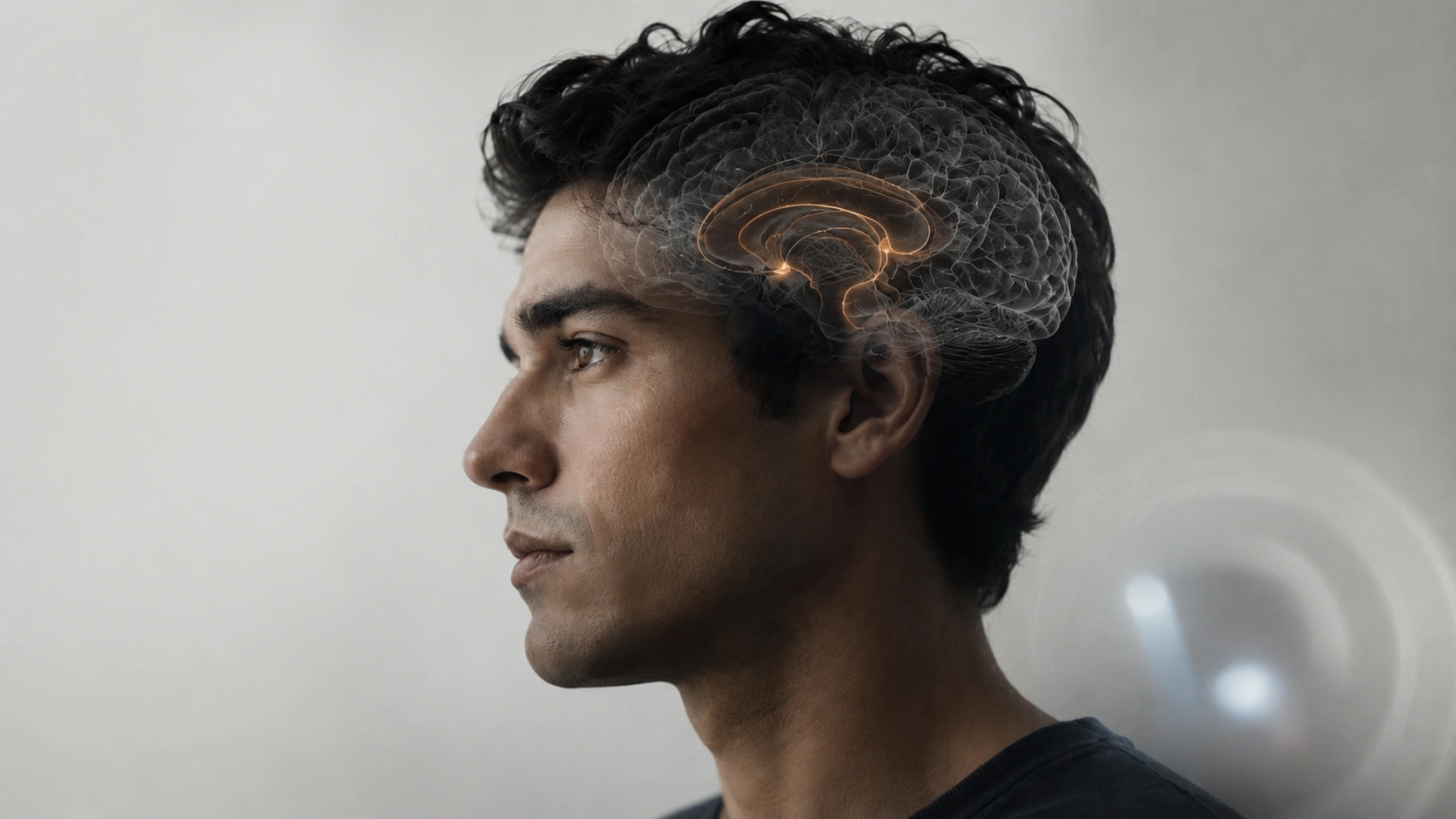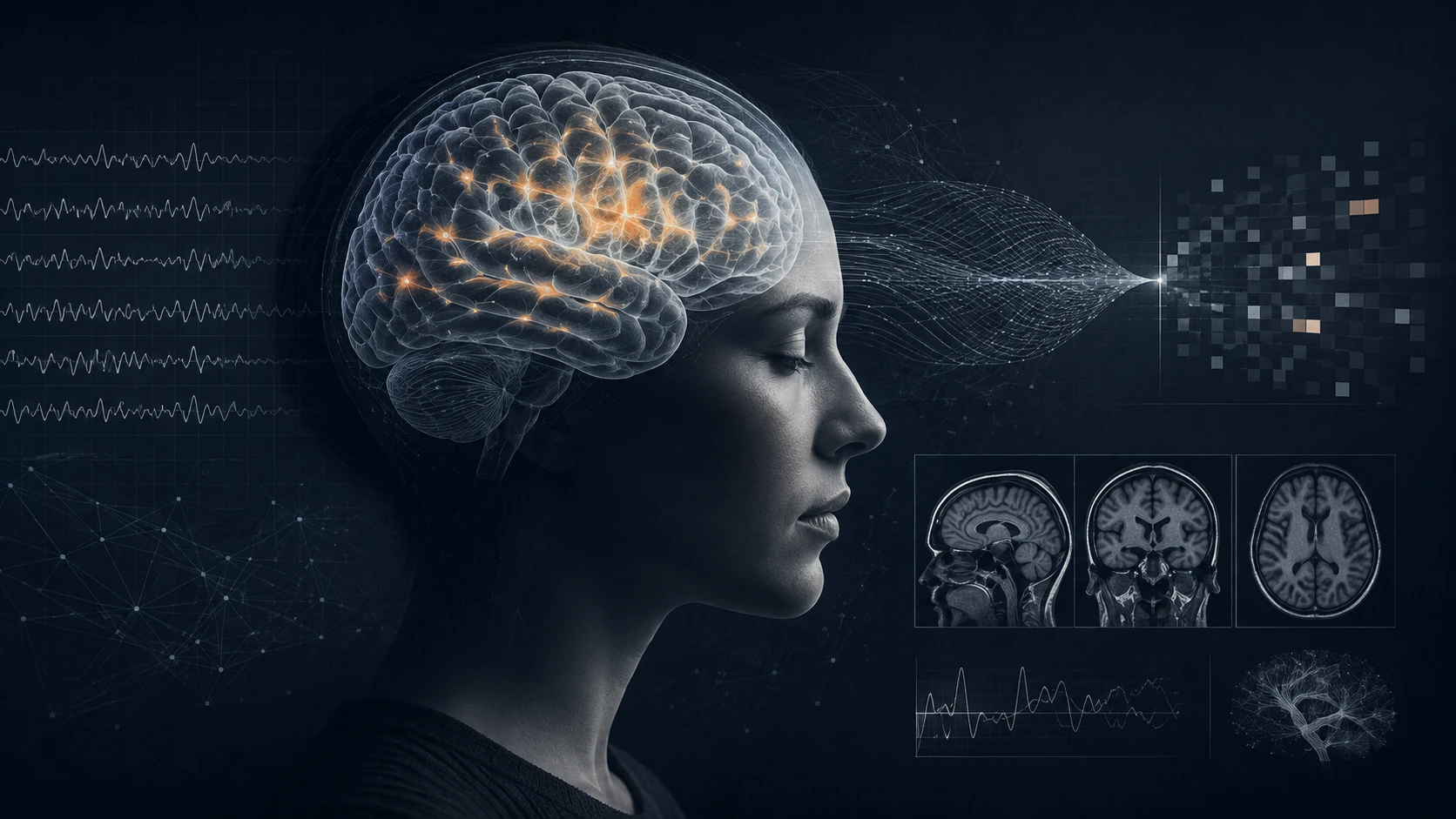
For decades, the scientific consensus painted a rather rigid and deterministic picture of the adult human brain. It was widely believed that once an individual reached adulthood, their neural networks were permanently fixed. The brain was viewed much like a static biological machine—if a part broke or a neural pathway was set, it could not be significantly altered. However, modern neuroscience has completely shattered this paradigm.
We now understand that the brain is a highly malleable, dynamic organ that continuously reshapes itself in response to experiences, learning, and environmental changes. This remarkable biological ability is known as neuroplasticity (or brain plasticity). At its core, neuroplasticity is the fundamental mechanism that allows the brain to adapt, survive, heal, and optimize its functions throughout our entire lifespan. Whether you are learning a new programming language, recovering from a traumatic injury, or simply adapting to a new daily routine, your brain is actively rewiring itself.
The Foundations of Brain Adaptation
To truly grasp the neuroscience of learning and adaptation, we must discard the idea that the brain is hardwired. Instead, think of the brain as a highly active, living ecosystem. Neuroplasticity is the umbrella term that encompasses the brain's ability to reorganize itself both physically and functionally.
This continuous rewiring process is critical for cognitive health and survival. It allows us to process new sensory information, encode new memories, and adapt our behaviors to navigate complex environments. The elasticity of the brain ensures that we are never truly "stuck" in our ways; our neural architecture is always in a state of flux, governed by how we interact with the world around us.
Synaptic Plasticity: Change at the Cellular Level
To understand how the brain adapts on a micro-scale, we must look at the synapses. Synapses are the crucial communication junctions where individual neurons pass electrical and chemical signals to one another. Whenever we learn a new concept, acquire a skill, or experience something novel, these synaptic connections are actively engaged.
Neuroplasticity relies heavily on a continuous process called synaptic plasticity. When a specific neural pathway is frequently activated, the connection between those neurons becomes stronger, faster, and more efficient. This phenomenon, known as Long-Term Potentiation (LTP), is often summarized by the foundational neuroscientific principle formulated by Donald Hebb: "Neurons that fire together, wire together."
Conversely, the brain is incredibly energy-efficient. It consumes about 20% of the body's total energy, so it cannot afford to maintain pathways that are useless. If a learned behavior is abandoned or a piece of information is no longer accessed, the corresponding neural pathway is rarely used. Over time, the synaptic connections supporting that pathway weaken—a process called Long-Term Depression (LTD). The brain then actively eliminates these unused pathways in a biological optimization process known as synaptic pruning. By clearing out redundant connections, the brain ensures that its metabolic energy is strictly focused on maintaining the most vital and frequently utilized neural circuits.
Structural vs. Functional Plasticity
The adaptability of the brain is generally categorized into two primary forms: structural plasticity and functional plasticity. Both are essential, but they serve entirely different purposes in cognitive health and survival.
1. Structural Plasticity: Shaping the Physical Architecture
Structural plasticity refers to the brain's ability to physically alter its structure and mass as a direct result of learning, practice, and active environmental engagement. When a person dedicates time to mastering a complex skill, the brain physically changes to accommodate this new expertise by sprouting new dendritic branches and forming denser networks.
A classic and frequently cited example in neuroscience involves studies conducted on London taxi drivers. These drivers are required to memorize thousands of complex city streets and optimal routes—a rigorous mental task known as "The Knowledge." MRI brain scans revealed that the posterior hippocampus, the region associated with spatial memory and navigation, was significantly larger in these drivers compared to the general public. Furthermore, the size of this region correlated with the number of years they had been driving. This proves that sustained cognitive effort literally changes the physical shape of the brain.
2. Functional Plasticity: The Brain’s Remarkable Resilience
Functional plasticity showcases the brain's incredible resilience in the face of physical trauma or neurological adversity. If a specific area of the brain sustains damage—such as from a stroke, tumor, or traumatic brain injury—functional plasticity enables the brain to shift the impaired functions from the damaged area to undamaged, healthy regions.
For instance, if the part of the brain that controls speech is damaged, surrounding areas or even regions in the opposite hemisphere can slowly rewire themselves to take over the responsibility of language processing. While the success of this compensatory mechanism depends heavily on the severity of the injury, the specific region affected, and the individual's age, it highlights the profound biological drive of the human brain to reorganize itself and restore critical functions against all odds.
Adult Neurogenesis: Growing New Neurons
For a long time, scientists believed that humans were born with all the neurons they would ever have. We now know this is false. Neuroplasticity is closely tied to neurogenesis—the actual creation of brand-new neurons.
While neurogenesis is most active during embryonic development, research has confirmed that it continues into adulthood, primarily in the dentate gyrus of the hippocampus (the brain's memory center). These newly born neurons are integrated into existing neural networks, playing a crucial role in forming new memories, regulating emotions, and protecting the brain against cognitive decline as we age.
How to Actively Boost Your Neuroplasticity
Because the brain is shaped by our daily activities, we have a significant degree of control over our own cognitive health. You can actively stimulate neuroplasticity and encourage the growth of new neural connections through specific lifestyle choices:
- Continuous Learning: Engaging in cognitively demanding tasks—such as learning a complex software language, mastering a musical instrument, or studying theoretical concepts—forces the brain to build new neural pathways. The more challenging the task, the greater the structural change.
- Cardiovascular Exercise: Physical activity is one of the most potent biological triggers for brain adaptation. Engaging in regular workouts and cardiovascular activities, such as cycling, significantly increases the production of a crucial protein called Brain-Derived Neurotrophic Factor (BDNF). This protein acts like fertilizer for the brain, promoting the survival of existing neurons, encouraging the growth of new synapses, and heavily stimulating adult neurogenesis.
- Adequate Sleep: Sleep is not merely downtime; it is an active neurological process. During deep sleep, the brain consolidates memories, strengthens important synaptic connections formed during the day, and flushes out neurotoxins. Without sufficient sleep, synaptic plasticity is severely impaired.
- Environmental Enrichment: Exposing yourself to new environments, traveling, and breaking out of monotonous routines forces the brain to process novel sensory inputs, which keeps neural networks agile and adaptable.
A New Frontier in Neuroscience and Human Potential
In essence, neuroplasticity is the biological engine driving human learning, memory, and recovery. It provides conclusive evidence that our brains are not immutable hardware circuits, but rather dynamic, living ecosystems capable of continuous reinvention.
Understanding this biology of change does more than just deepen our appreciation for human adaptability; it opens exciting new frontiers in modern medicine, psychology, and neurotechnology. From developing innovative rehabilitation therapies for neurological trauma to creating targeted interventions that enhance cognitive longevity in aging populations, neuroplasticity serves as the foundational principle. The ongoing study of the dynamic mind continues to reveal a powerful, scientifically backed truth: as long as we are learning, experiencing, and moving, our brains are literally rebuilding themselves, holding the key to unlocking the absolute peak of human potential.